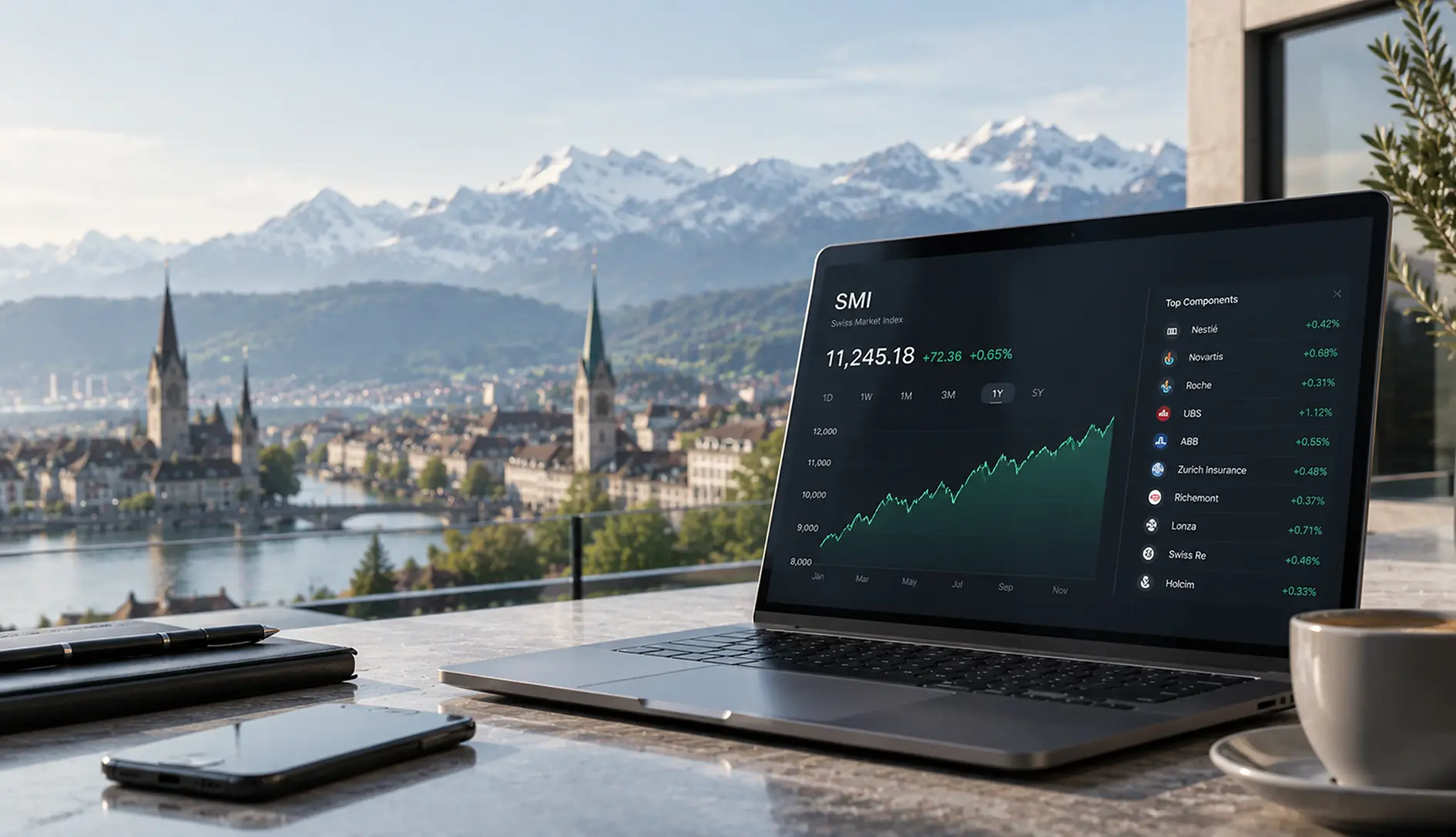
The SMI Explained: What Switzerland’s Blue-Chip Index Tracks
The SMI (Swiss Market Index) tracks the 20 largest and most liquid companies listed on the SIX Swiss Exchange, covering roughly three-quarters of the Swiss

The SMI (Swiss Market Index) tracks the 20 largest and most liquid companies listed on the SIX Swiss Exchange, covering roughly three-quarters of the Swiss

Switzerland has almost no gold mines, yet it refines a large share of the world’s gold. Four major refiners, a trading role that took off

The Swiss franc is a safe haven because Switzerland combines low inflation, a long-running current account surplus, large foreign assets and political stability. Investors buy

The bitcoin halving is a built-in rule that cuts the reward miners receive for each new block in half, roughly every four years. It slows
Owning coins means you hold the cryptocurrency itself and handle its custody. A crypto ETF is a regulated fund you buy through a brokerage account,
Crypto is volatile because its prices rest on sentiment and adoption rather than cash flows, supply can’t adjust to demand, and heavy leverage turns small

Futures rollover means closing a contract that is about to expire and opening the same position in a later contract month, so your market exposure

Contango is when futures for later delivery cost more than near-term futures or spot oil, so the curve slopes upward. Backwardation is the reverse: near-term
A futures contract is a standardized agreement, traded on an exchange, to buy or sell a set quantity of something at an agreed price on

In Toronto time, European stock markets open around 3:00 a.m., the TSX and Wall Street trade from 9:30 a.m. to 4:00 p.m., and Tokyo and
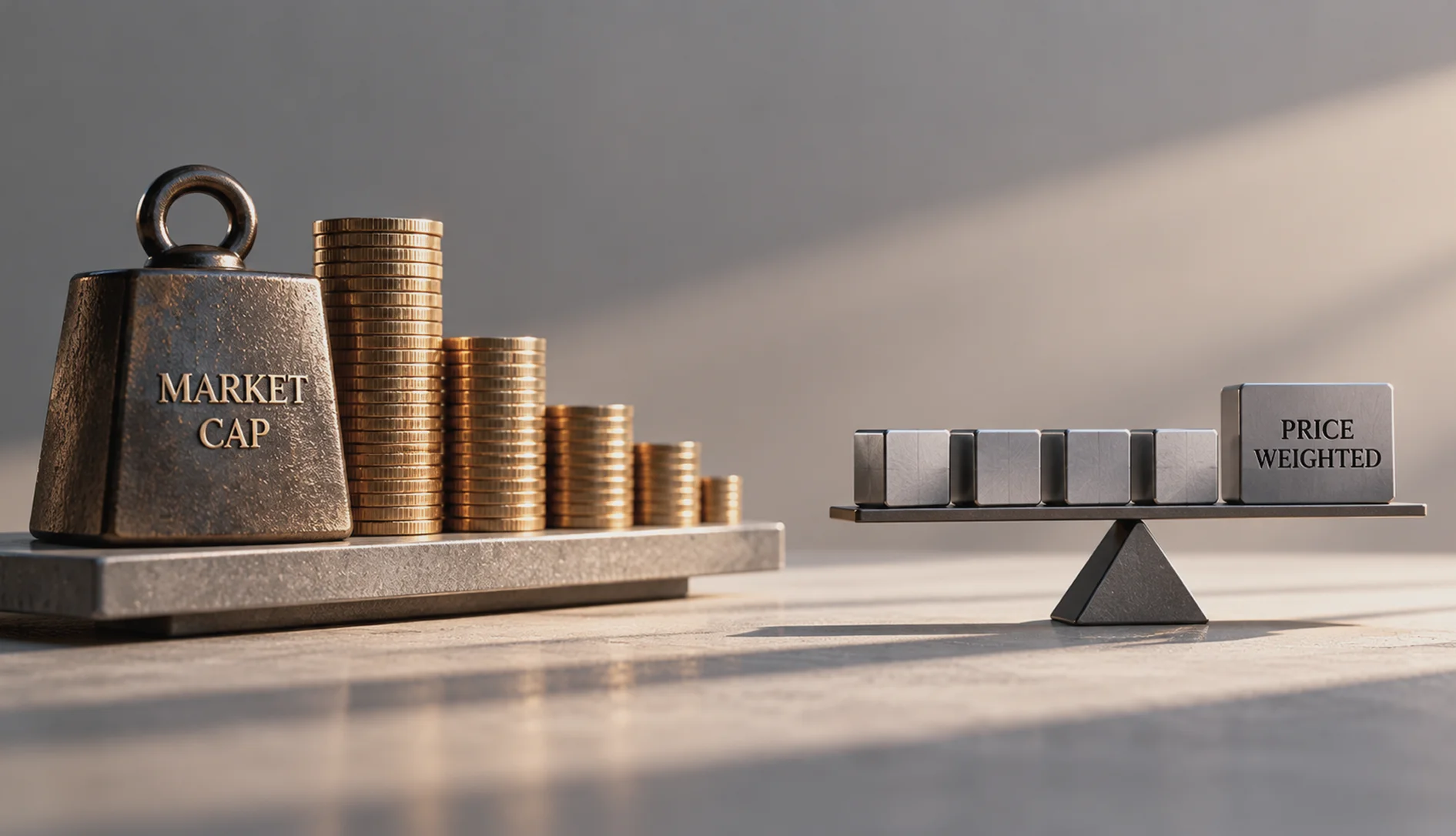
Stock indices combine selected share prices using a published weighting method and an index divisor. In market-cap-weighted indices, larger companies have more influence; in price-weighted

The S&P/TSX Composite and S&P 500 track different equity markets. Canada’s benchmark has substantial exposure to banks, materials and energy, while the US index gives
Interlisted stocks are shares traded on more than one stock exchange, often in different currencies. Canadian companies such as Royal Bank of Canada and Canadian

Earnings season moves share prices because investors compare a company’s reported results with what they expected, not simply with last year’s profits. A company can

Buying shares gives you an ownership interest in a company, while a stock CFD lets you trade its price movements without owning the underlying shares.
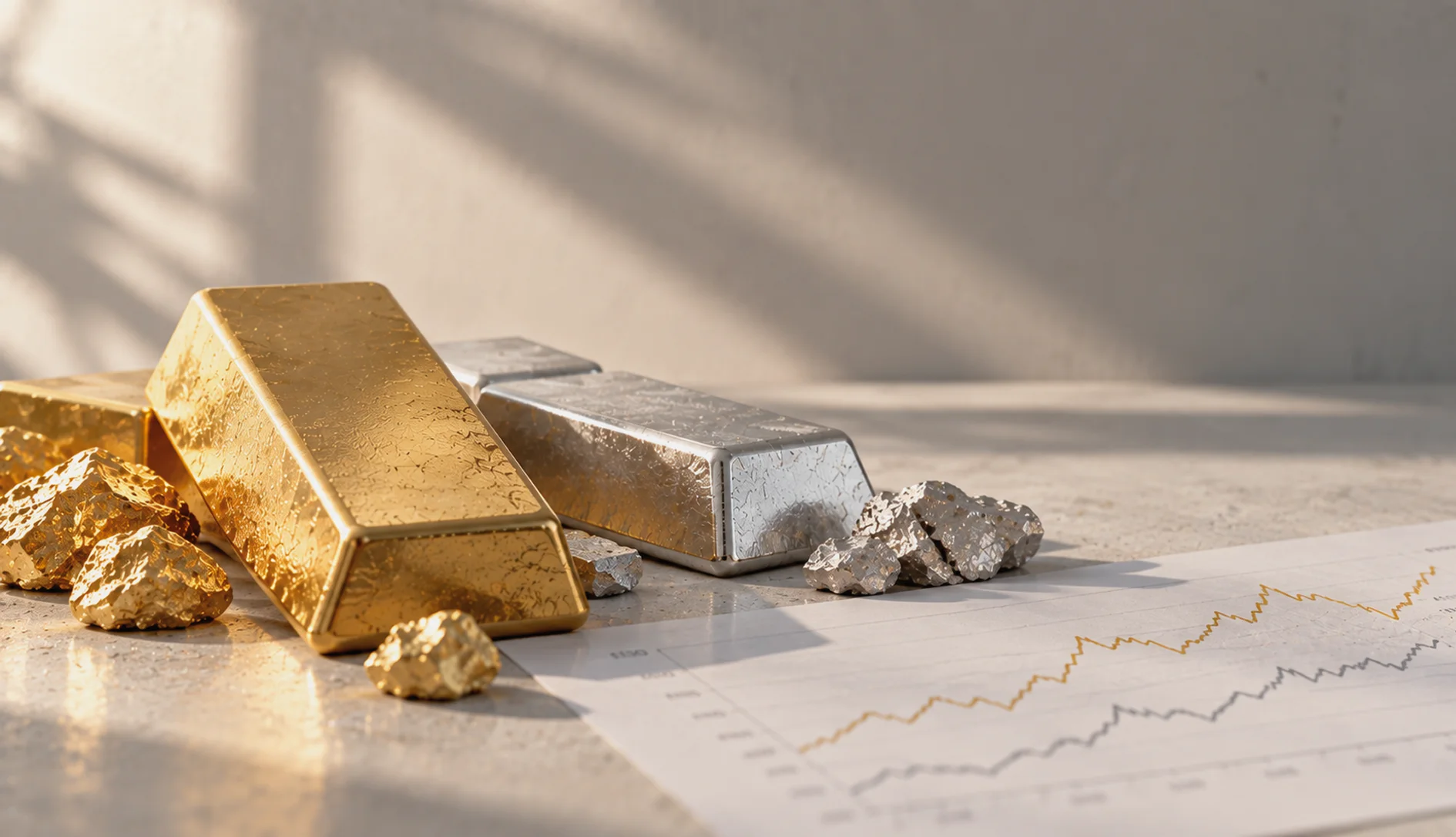
Gold and silver are both precious metals, but they respond differently to economic conditions. Gold draws substantial demand from investors and central banks, while silver
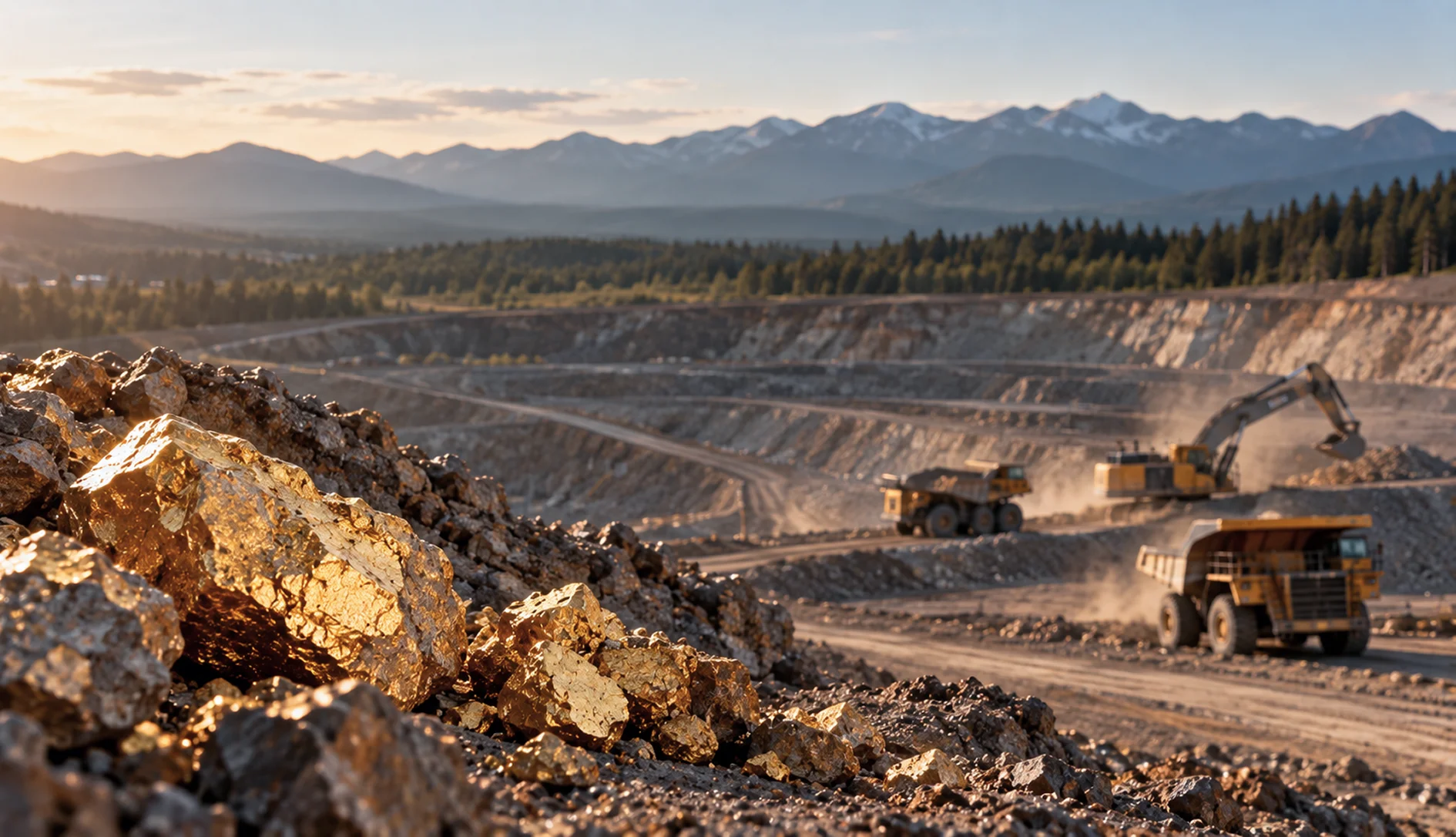
Gold and gold mining stocks are not the same investment. Gold is the commodity a miner sells; a mining stock represents a business with wages,

Gold is a safe haven over months and years, not always over days. In sharp panics it can fall alongside stocks as investors sell whatever

Hard commodities are natural resources that are mined or extracted, such as oil, natural gas, gold, copper and potash. Soft commodities are grown or raised,

Tariffs rarely move a commodity’s global price as much as they move its price in specific places. A tariff drives a wedge between markets: prices
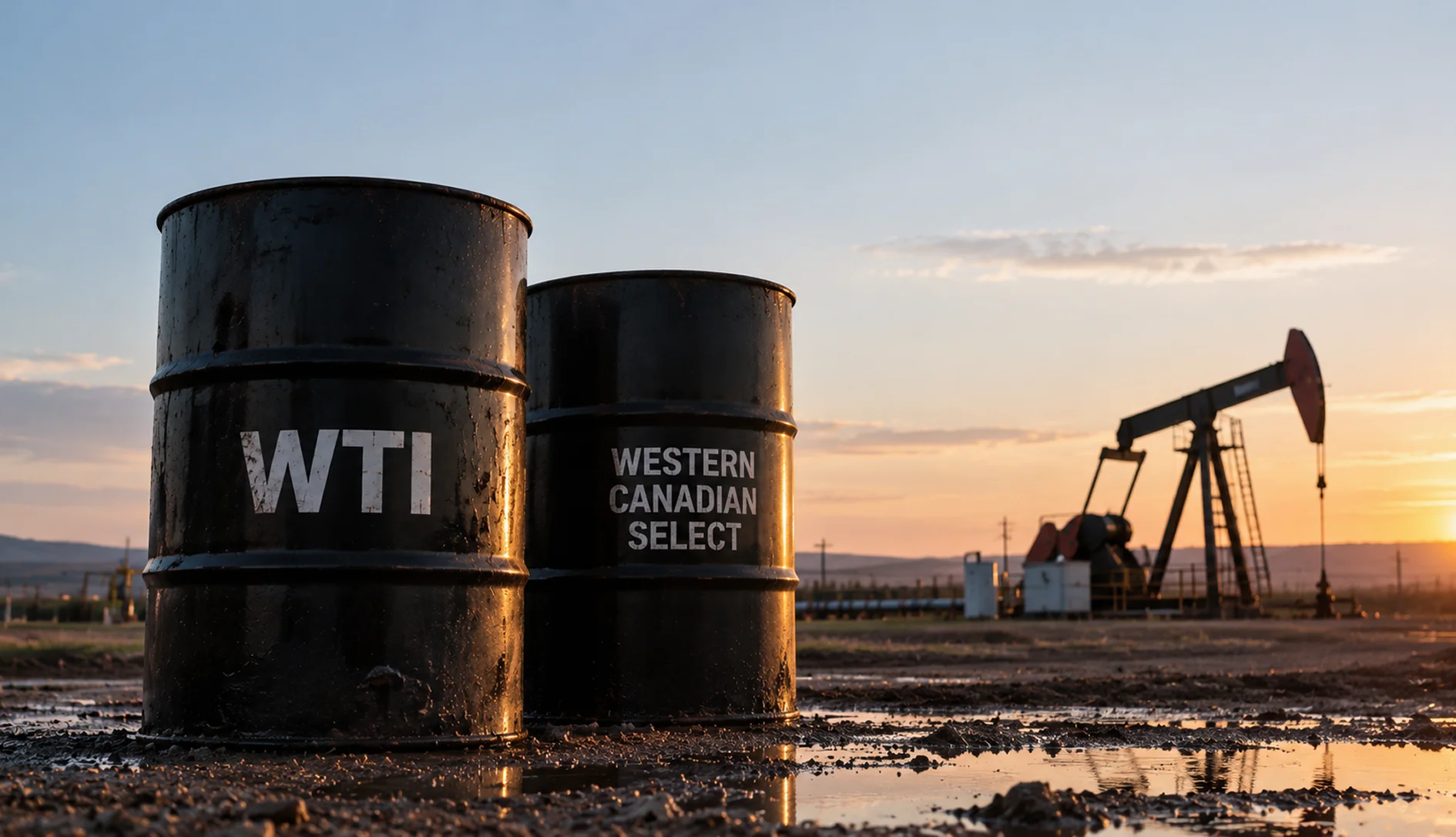
Western Canadian Select (WCS) trades below West Texas Intermediate (WTI) because it is a heavier, higher-sulphur crude that costs more to refine, and because it
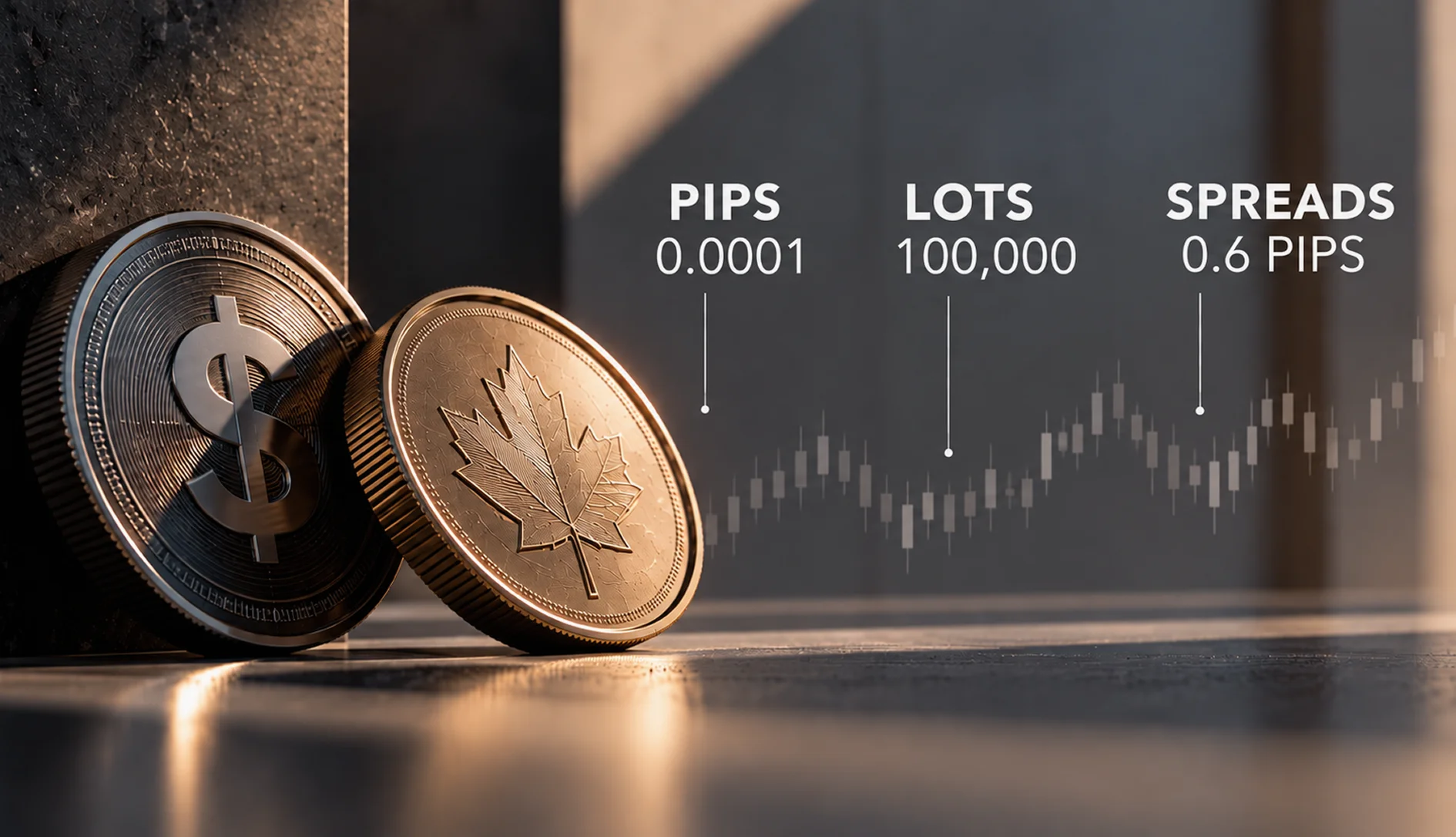
A pip is the standard unit for measuring a currency pair’s price change. For most pairs, including USD/CAD, one pip is 0.0001. A lot is

USD/CAD tends to fall when oil rises because Canada is a major crude exporter: higher prices bring in more U.S. dollars, and converting that revenue

Bank of Canada rate decisions move the Canadian dollar by changing what investors expect to earn on Canadian-dollar assets compared with other currencies, especially the